If you have studied gastronomy in Brazil, recently graduated, or already have experience in a professional kitchen, you probably know that building a culinary career takes more than knowing how to cook.
It takes practice, patience, creativity, and a lot of learning along the way. And sometimes, the next step in your career means stepping outside your comfort zone.
For Brazilian culinary professionals, gaining international experience can be a great way to develop new techniques, learn from experienced chefs, and understand how professional kitchens operate in a different country. The United States is one destination where you can do exactly that.
Through our J-1 Hospitality and Culinary Internship and Trainee programs, eligible Brazilian candidates can participate in structured culinary training experiences at hotels, resorts, restaurants, and other renowned hospitality establishments across the USA.
But which program is right for you? What qualifications do you need? And how does the application and visa process work if you’re applying from Brazil?
Let’s break it down.
Why Consider a Culinary Experience Abroad?
Brazil has a rich food culture, and culinary professionals like you bring plenty of creativity and personality to the kitchen.
But learning in a different country can introduce you to techniques, ingredients, kitchen systems, and hospitality standards you may not encounter at home.
An international culinary experience is not about replacing what you already know. It’s about adding new skills to your professional background.
Depending on your training placement, you’ll have the opportunity to:
- Develop your culinary techniques: Learn different preparation methods, presentation styles, and approaches to food production.
- Understand professional kitchen operations: Gain exposure to kitchen organization, food safety practices, inventory processes, and service standards.
- Discover new food cultures: Learn how different ingredients, traditions, and culinary influences come together.
- Improve your professional English: Build confidence communicating with colleagues, supervisors, and other hospitality professionals.
- Learn from experienced chefs: Observe different leadership styles, kitchen structures, and approaches to culinary development.
- Build an international network: Connect with professionals from different countries and backgrounds.
And there’s another important benefit: learning to adapt.
A professional kitchen in the United States may have different procedures, expectations, and communication styles from the ones you’re used to in Brazil. Understanding these differences is a valuable experience in itself.
Culinary Opportunities in the USA with Alliance Abroad
We offer different J-1 programs for eligible international candidates interested in developing their culinary and hospitality experience in the United States.
Both programs the Hospitality and Culinary Internships, and the Trainee Program, offer training placements lasting 12 months, but they are designed for different professional backgrounds.
1. Hospitality and Culinary Internship – USA
Best for: Current students and recent graduates
If you’re studying gastronomy, culinary arts, or a related field, or recently completed your studies, the J-1 Internship program may be a good fit.
The Hospitality and Culinary Internship – USA program gives candidates the opportunity to develop their practical skills in professional kitchens while learning from experienced industry professionals.
Depending on the available placement, you may gain exposure to:
- Food preparation and kitchen operations.
- Hot kitchen and cold kitchen sections.
- Food presentation and plating.
- Kitchen organization and service routines.
- Professional standards in hotels, resorts, and restaurants.
The program lasts 12 months, with a structured training plan connected to your educational background.
Who can apply?
As part of our program requirements, candidates must:
- Be enrolled as a full-time student at a post-secondary institution outside the United States, or have graduated within the 12 months before the program start date.
- Speak excellent English.
- Accept a training placement related to their education or chosen career field.
For example, if you’re completing a Gastronomy degree in São Paulo or recently graduated from a culinary school in Brazil, this could be an opportunity to build on your education through international training.
Learn more: Hospitality and Culinary Internship USA.
2. Hospitality and Culinary Trainee – USA
Best for: Graduates and experienced culinary professionals
Already have some experience in a professional kitchen? The J-1 Trainee program may be a better match.
This program is designed for candidates who have completed their education and want to develop their existing professional skills through structured training in the United States.
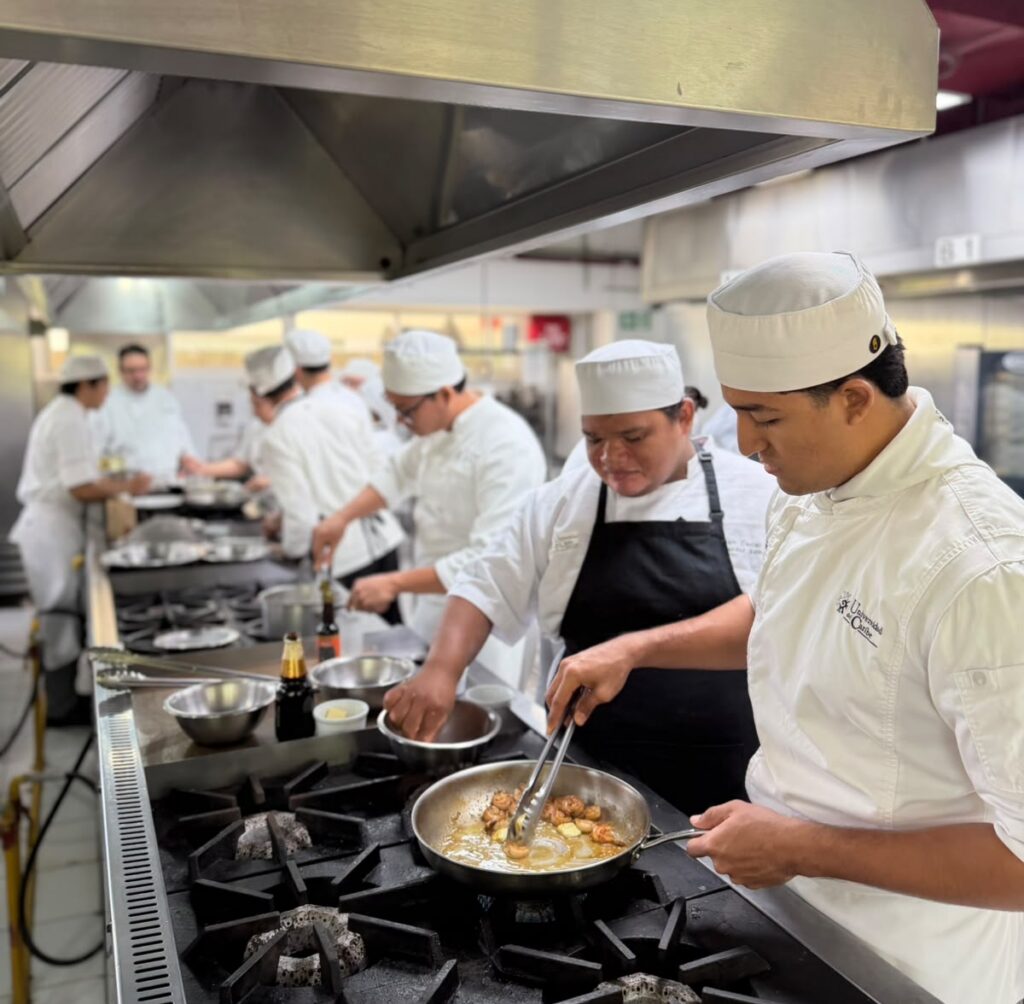
Depending on your placement and training plan, you may have the opportunity to rotate through different kitchen sections, including:
- Garde manger (cold kitchen)
- Hot kitchen
- Banquet kitchen
- Other culinary departments, depending on the host property
You’ll learn about different kitchen operations, techniques, and professional standards under the guidance of experienced supervisors.
The program lasts 12 months.
Who can apply?
The eligibility requirements include:
- A degree or professional certificate from a post-secondary institution, plus at least one year of related experience outside the United States; OR
- At least five years of related professional experience outside the United States.
- Excellent English skills.
- A training placement that supports your educational background and/or professional experience.
For example, if you graduated in Gastronomy and have spent a year developing your skills in a restaurant or hotel kitchen in Brazil, you may meet the educational and experience requirements.
If you have built your culinary career through professional experience rather than a formal degree, the five-year experience pathway may also be relevant.
Learn more: Hospitality and Culinary Trainee USA.
Internship vs. Trainee: Which Program Is Right for You?
Not sure which category applies to your situation? Here’s a quick comparison.
| Program Detail | J-1 Internship | J-1 Trainee |
|---|---|---|
| Ideal for | Current students and recent graduates | Graduates and experienced professionals |
| Education | Currently enrolled or graduated within 12 months | Degree or professional certificate |
| Experience | Be a full-time student or within 12 months of graduation from a school outside of the U.S. | Degree/certificate plus 1 year of related experience, or 5 years of related experience |
| Duration | 6–12 months | |
| Main focus | Developing practical skills connected to your studies | Advancing existing professional skills through structured training |
| Training environment | Hotels, resorts, restaurants, and other hospitality establishments | |
Important: Both categories are programs with a J1 Visa. These are designed for structured professional development and cultural exchange, not ordinary employment. Your training placement must meet the applicable to our Alliance Abroad program requirements.
What Can You Expect to Learn in a US Kitchen?
Every kitchen has its own rhythm. Some are all about precision and fine dining, while others focus on large-scale food production, banquets, or resort operations.
One of the advantages of an international culinary training experience is getting to understand these different environments.
Through our Alliance Abroad culinary placements, participants can gain exposure to different kitchen sections and professional practices.
Here are some examples:
Hot Kitchen
This is where you’ll find much of the action during service. Depending on your training plan, you may learn about cooking methods, food preparation, timing, coordination, and presentation in a professional kitchen environment.
Garde Manger
The cold kitchen is responsible for a range of preparations, from salads and appetizers to cold dishes and presentation. It requires organization, attention to detail, and consistency.
Banquet Kitchen
Hotels and resorts often serve large groups for weddings, conferences, events, and other occasions. Training in this environment can help you understand large-scale food preparation, coordination, timing, and quality standards.
Hotel and Resort Hospitality
Not every international opportunity has to be exclusively culinary. We also have other hospitality training opportunities in areas such as Food & Beverage and hotel operations. These experiences can be interesting for candidates who want to understand more about the industry beyond the kitchen.

Where Can Brazilian Chefs Complete Their Training in the USA?
Alliance Abroad works with hospitality establishments across the United States, including hotels, resorts, and restaurants.
The available training locations depend on the program, host company requirements, and current positions.
Some of the destinations we have available in the US culinary programs include:
- Austin, Texas: A lively city with a growing hospitality scene, hotels, and plenty of food culture.
- New Orleans, Louisiana: A destination known for its distinctive food traditions and diverse culinary influences.
- Scottsdale, Arizona: A popular resort destination with hotels, restaurants, and a strong hospitality industry.
- Philadelphia, Pennsylvania: A historic city with a varied restaurant and hotel scene.
- Fort Lauderdale, Florida: A coastal destination with beachfront hospitality establishments.
- Dallas, Texas: A major city with a diverse hospitality and dining industry.
These are just a few examples, but your training location will depend on the current opportunities available and your professional profile.
What Are the Requirements for Brazilians to Participate?
If you’re applying from Brazil, the J-1 Internship or Trainee eligibility criteria are based primarily on your education, professional experience, English skills, and the nature of your proposed training.
Brazilian nationality does not automatically qualify or disqualify you from either category.
The most important thing is finding the program that matches your background.
Here’s what you should prepare:
| Requirement | J-1 Internship | J-1 Trainee |
|---|---|---|
| Nationality | Brazilian applicants may apply if they meet the program criteria. | |
| Education | Full-time enrollment at a foreign post-secondary institution or graduation within 12 months before the program start date. | Degree or professional certificate from a post-secondary institution. |
| Professional experience | No minimum. | 1 year of related experience with a degree/certificate, or 5 years of related experience. |
| English | Excellent English. | |
| Training relevance | Must relate to your education. | Must relate to your education and/or professional experience. |
| Duration | 6–12 months. | |
*Higher education programs in the fields of Hospitality and Gastronomy are accepted. Higher education programs include technical degrees, postgraduate programs (lasting two years), bachelor’s degrees, master’s degrees, and doctoral degrees.
Online courses are accepted for both programs. However, courses may be online, but the educational institution must have a physical campus. The courses and the institution must be accredited and well-evaluated by the MEC (Brazilian Ministry of Education).
You should also be prepared to provide supporting documents, such as your résumé, educational certificates, and evidence of relevant professional experience when requested.
A quick tip: If your academic documents or professional experience records are in Portuguese, ask our Support team which documents need to be translated and in what format before arranging translations.
It’s better to confirm first than to pay for a translation you don’t actually need.
How to Apply for a J-1 Visa from Brazil
Applying for a US visa involves paperwork, appointments, fees, and a few steps that can feel confusing if it’s your first time.
The good news? You don’t have to figure out the entire process on your own.
Once you’ve been accepted into an Alliance Abroad program and your training placement is confirmed, our team will guide you through the next steps.
Step 1. Submit Your Application
Our team will review your education, professional background, English skills, and eligibility to help determine which program is the best fit.
Step 2. Find Your Training Placement
Once your profile has been reviewed, you’ll explore available opportunities that match your background.
You may be invited to interview with a host company.
This is your chance to talk about your culinary experience, explain what you want to learn, and understand the training environment.
Step 3. Complete Your Program Application
If you’re selected for a placement, you’ll move forward with the full application and program requirements.
We will work with you and the host company to prepare your Training/Internship Placement Plan (T/IPP).
This document outlines your training objectives, learning activities, supervision, and the skills you’ll develop throughout the program.
Step 4. Prepare Your J-1 Visa Application
Once the required program documentation is ready, we’ll guide you on the J-1 visa application process.
Two important documents to understand are:
- DS-2019: The Certificate of Eligibility for Exchange Visitor Status. Your designated program sponsor issues this after registering you in SEVIS.
- DS-7002: The Training/Internship Placement Plan, which outlines your structured training experience. It is required for J-1 Intern and Trainee applicants.
You’ll also need to complete the DS-160, the online nonimmigrant visa application.
Step 5. Schedule Your Visa Appointment in Brazil
Brazilian applicants should follow the current instructions provided by the US Embassy and Consulates in Brazil.
The general process includes:
- Complete and submit the DS-160 online.
- Pay the applicable visa application fee.
- Follow the official appointment system instructions to schedule your visa appointment.
- Prepare your supporting documents.
- Attend your visa interview, if required.
For your appointment, you should generally prepare:
- A valid passport
- DS-160 confirmation page
- DS-2019 form
- DS-7002 training plan
- Visa fee payment confirmation, when applicable
- Any additional documents requested by the Embassy or Consulate
The consular officer will assess your eligibility for the J-1 visa. Having a confirmed training placement does not guarantee visa approval.
You can find the official information here:
- US Department of State – Exchange Visitor Visa
- DS-160 Online Application
- US Visa Appointment Information for Brazil
Step 6. Get Ready for Your Experience in the USA!
Once your visa is approved, you can move forward with your travel arrangements and preparations.
Alliance Abroad provides pre-departure orientation and guidance to help you understand what to expect before arriving in the United States.
You’ll also have access to support from our US-based team during your program, including 24/7 emergency assistance.
And yes, there’s plenty to think about beyond your suitcase. From understanding your host property’s expectations to getting familiar with your new surroundings, preparation makes a difference.
How Long Does the J-1 Application Process Take?
One thing worth understanding early: there isn’t one fixed timeline for every applicant.
Your application journey depends on several factors, including how quickly you complete your documents, the availability of suitable training placements, host company interviews, program processing, and US visa appointment availability in Brazil.
When should you start?
Our recommendation is to start exploring your options well in advance of your preferred departure date.
Don’t leave everything until the last minute, especially when visa appointments, document preparation, and host company selection are involved.
You can also check current visa appointment wait times through the US Department of State’s Visa Appointment Wait Times page.
Remember: appointment availability and visa processing times can change, so avoid making non-refundable travel arrangements before your visa is approved.
What Support Does Alliance Abroad Provide?
We support participants throughout different stages of their program. This includes:
- Eligibility guidance: Understanding which program matches your education and experience.
- Résumé preparation: Getting your professional profile ready for host company interviews.
- Interview preparation: Understanding what to expect and how to present your skills.
- Training placement: Securing your placement before you arrive in the USA.
- Visa guidance: Receiving information and assistance with the required program and visa documentation.
- Pre-departure orientation: Preparing for your experience and understanding program expectations.
- 24/7 emergency support: Access to the US-based support team while participating in the program.
You’ll have a team to turn to when questions come up. And they probably will! That’s part of experiencing something new.
Can Brazilian Chefs Explore Other Destinations with Alliance Abroad?
Absolutely! While the United States is the focus of this guide, we also offer culinary and hospitality opportunities in other international destinations.
Depending on your qualifications, experience, and career goals, you may want to explore:
Spain – Hospitality and Culinary Internship
An opportunity for eligible culinary and hospitality candidates to gain international experience in Spain’s food and hospitality industry. The program lasts 6–12 months.
United Arab Emirates – Professional Placement Program
For experienced culinary professionals, we offer opportunities in Dubai, Abu Dhabi, and Ras Al Khaimah. Available positions include chefs, pastry chefs, and bakery chefs.
Australia – Hospitality and Culinary Trainee
A program for aspiring culinary and hospitality professionals with relevant education and experience, offering a 12–24-month experience.
Australia – Skilled Professional
For more experienced culinary professionals, the Skilled Professional program offers a separate visa pathway for eligible chefs seeking longer-term professional opportunities.
Each destination has its own eligibility criteria, visa requirements, and program structure. Not all opportunities use the J-1 visa.
Explore all destinations on our Alliance Abroad Programs page.
What Is It Like to Be a Chef Abroad? Hear from Our Participants
Reading about program requirements and training plans is useful, but sometimes hearing from someone who has experienced an international culinary program makes everything a little more real.
At Alliance Abroad, we love sharing stories from participants who have taken this step.
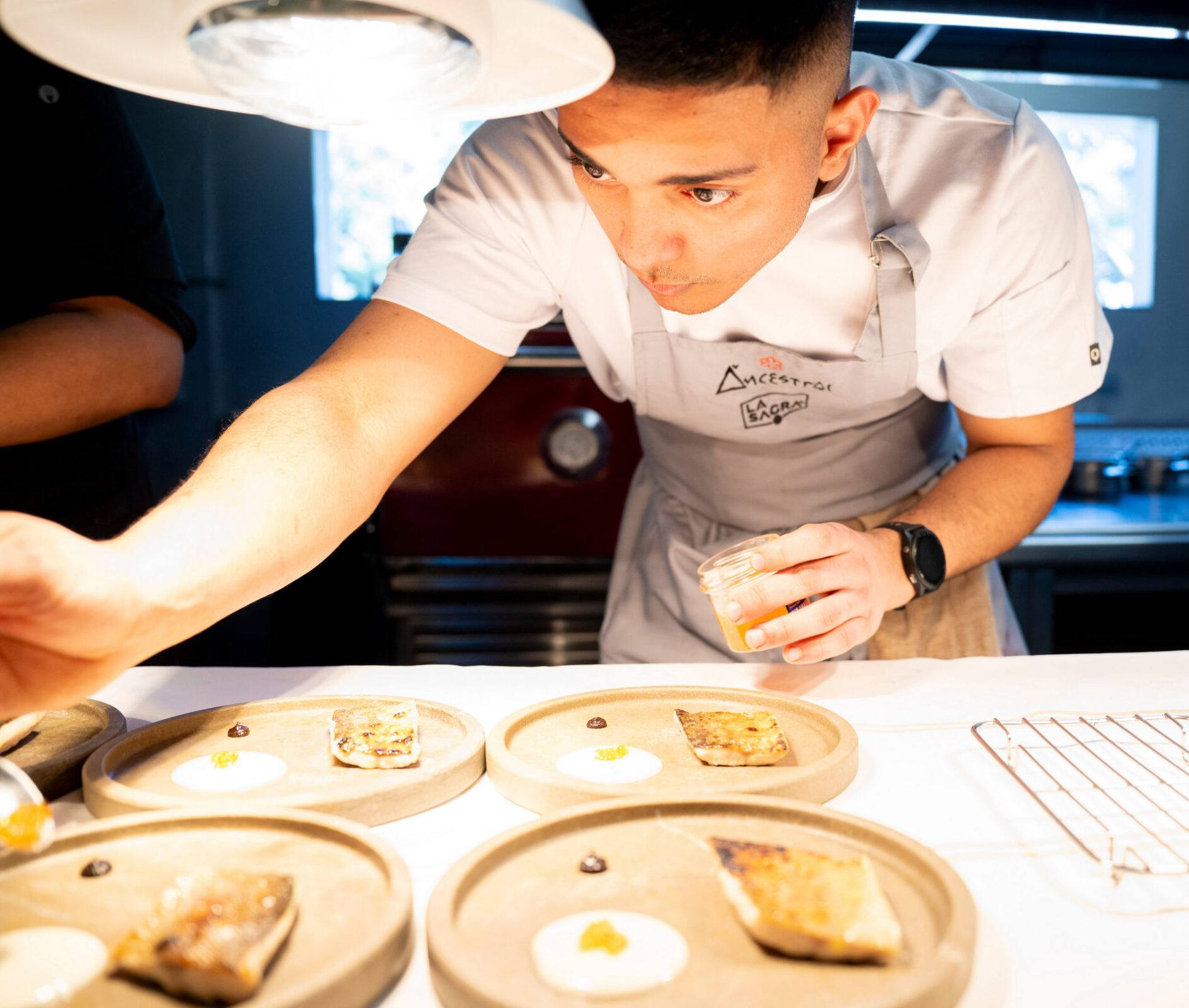
One of them is Juan B. Ramba, a Hospitality and Culinary Internship participant in the USA.
Reflecting on his experience, he shared:
“I feel so grateful and happy to join the J1 Program for 12 months as my internship in the US for the first time. It is my first time in to be able step my foot in US and it feels like a dream come true, especially thinking about places like Hollywood. I’m also excited to see snow for the first time in my life. Truly thankful for this amazing opportunity.”
His experience is a reminder that professional development isn’t only about learning new techniques. It’s also about gaining confidence, adapting to a new environment, traveling, and discovering what you’re capable of.
You can explore more participant experiences in our Participant Stories page.

Ready to Take the Next Step in Your Culinary Career?
The important thing is finding an opportunity that matches your background and what you want to learn.
At Alliance Abroad, our team can help you understand the available programs, review your eligibility, and explore culinary and hospitality training placements in the United States.
You don’t need to have every detail figured out before getting started. That’s what we’re here for.
Your international training experience awaits!